
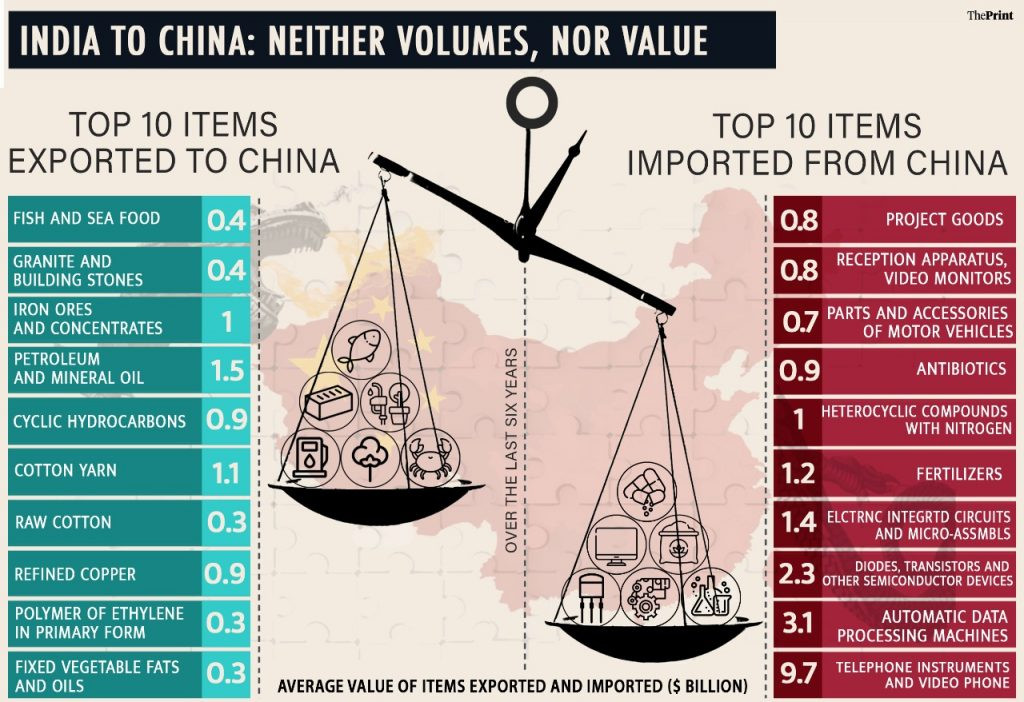
There is a lot of Trade deficit between India and China. The literal explanation would be me as a big brother has been much more helpful to myself than me as Indian.
It only tells the level of patriotism in me. Doesn’t it? I need to change that.
Indirect explanation would be My Indian identity has not done much for self. So if If I start using my Indian identity for my survival the trade deficit will start to improve.
I only tell this in national interest because I don’t know all the variables under play. I only know about myself. But readers can conclude inferences for their own businesses which I think will reflect in macro economy as lowering the trade deficit. How exactly can be better told by economist but let me try as well.
Currently China is me as big brother but only to pakistan. Pakistan is my younger sister.
India is my biological mother. Atma or Bhramha is my real mother or father. It is something that enables me or gives me strength doing whatever I do like this work.
I have boundary issues in Psychological language with mother and younger sister. With Pakistan I can solve but China is me only. I am big brother to India as well. Infact I am a big brother to India most.
So psychology here cannot help me. There is nothing like liberation in psychology.
This work is how I communicate with the world or the Atma or the Bhrama. Rest all is only going to interfere in my work.
So the boundary issues are going to be solved by strengthening boundaries with others not my mother. It’s counter intuitive but that’s the truth.
I have to be this way till her demise. If I could do job this way I would do. My 8 months in Kalpakkam were me doing job only. The way I could do best at that time. I had just lost my Endorphin system and my biological mother was also very short of it because of the same reason. So I had to keep boundaries to both job and my mother but less to my mother.
If I could do Mtech this way I would do that too. That is keeping least boundaries for my mother.
Till how long
Till her demise. I have a hunch three years. But this is the only way. That much is clear to me. It’s not that no boundaries will help with my work but it is that this work is only thing which can help me have any boundaries with her. So this work helps with boundaries but demands dropping them as well. That’s why it is Atma.
Ego cannot fully reduced. It can only be minimised. We want to change or switch places, organisation or people in hope that suffering do not remain but I remain. That’s not how it works. That the company was not right but I was right. How can you be right and be in the wrong company. Or how can company head and ideology be right when company is not right.
It can be best and still not right. Ashneer means sacred water.
The real intuitive reason I went to Bengal was for ending the relationship only. That’s how I could keep least and maximum boundaries with my mother at the same time. It was also the same situation. It was the same situation in IIT G as well. It was the same situation in class 1 as well when I chose leave home to live with my Aunt instead of mother. But never was my company right. It was only best at that time.
I struggled for few days because I was wanting that attraction do not remain but attractor remain. I don’t know future but I will always keep maximum possible distance till my mother is alive even if it requires me to not return her money. I have dropped the ego of money a long time ago.
She was part of my work. It was helping me with the work in Anupuram but I intuitively knew I could do much better without, like how I am doing now. The only thing was it was not clear to me that having and not having boundaries with my mother is the same thing. Otherwise I would have done it much earlier. Since this was not clear my way of doing my work was also not perfect. It never is perfect. I consume whatever that helps me do my work. Ishawad Upnishad also says so and clarity is a continuous process. Someone said that the only thing that is clear about knowing or learning is that it goes on.
Following is how we can reduce Trade deficit with China. I asked Chatgpt and it gives me this answer. Economists can
7 Ways India Can Reduce Its Trade Deficit With China
1. Build Domestic Manufacturing
India should manufacture more of the products it currently imports from China, especially electronics, semiconductor components, batteries, machinery, electrical equipment and industrial components.
The goal is to move beyond simply assembling imported parts and gradually produce more of the complete supply chain in India.
Example: Instead of importing most electronic components from China and assembling them in India, Indian companies can increasingly manufacture PCBs, sensors, batteries and other components domestically.
What it means for me ?
Don’t actively do favours but Stop avoiding my mother while keep doing my work.
2. Achieve Greater Chemical and Pharmaceutical Self-Reliance
India is a major pharmaceutical producer but depends on imports for some APIs, chemical intermediates and specialty chemicals.
India can expand domestic production of these inputs so that pharmaceutical and chemical manufacturers depend less on imported Chinese materials.
Result: Lower import dependence and a stronger Indian pharmaceutical and chemical manufacturing ecosystem.
What it means for me ?
Don’t actively do favours but Stop avoiding my mother while keep doing my work.
3. Increase Exports
India can reduce the trade deficit not only by importing less but also by exporting more to China and other international markets.
Potential areas include:
- Pharmaceuticals
- Chemicals
- Engineering products
- Agricultural products
- Seafood
- Automotive components
- Machinery
- Other manufactured products
For China specifically, better market access for Indian products is important because increasing exports requires Indian companies to compete effectively in the Chinese market.
What it means for me?
Don’t actively do favours but Stop avoiding my mother while keep doing my work.
4. Diversify Supply Chains
India does not need to manufacture everything domestically. For products that are difficult or expensive to produce in India, it can develop alternative sources in countries such as Japan, South Korea, Taiwan, ASEAN countries and Europe.
Instead of depending excessively on one country, India can develop a broader supply network.
Example:
China → 80% of supply
could gradually become:
India → 30%
China → 30%
Other countries → 40%
The appropriate proportions would depend on the particular product.
What it means for me ?
Don’t actively do favours but Stop avoiding my mother while keep doing my work.
5. Replace Imports Selectively
India should examine its major Chinese imports and ask a simple question:
Can India manufacture this product competitively?
If the answer is yes, India can gradually develop domestic production. If the answer is no, it may be better to continue importing the product while developing the technology and capabilities needed for future domestic production.
Example:
Chinese component → Indian factory
could eventually become:
Indian component → Indian factory
This transition should be gradual so that Indian manufacturers do not face sudden increases in production costs.
What it means for me ?
Don’t actively do favours but Stop avoiding my mother while keep doing my work.
6. Improve Manufacturing Competitiveness
Domestic production will be sustainable only if Indian products are competitive in price, quality and reliability.
India therefore needs to improve:
- Research and development
- Technology
- Worker skills
- Automation
- Infrastructure
- Logistics
- Production scale
- Access to capital
For example, if a Chinese company can manufacture a component for ₹100 while an Indian company needs ₹150, simply restricting Chinese imports could make the component more expensive for Indian manufacturers.
The long-term solution is to make the Indian company capable of producing the same product efficiently and competitively.
What it means for me ?
Don’t actively do favours but Stop avoiding my mother while keeping doing my work.
7. Use Imports Strategically
Not every Chinese import is necessarily harmful to India’s economy. Some imported machinery and components can help Indian companies produce higher-value goods and increase exports.
Example: Suppose an Indian factory imports a ₹10 crore machine from China and uses it to manufacture ₹50 crore worth of products for export. The machine import can contribute to India’s manufacturing and export capacity.
India should therefore distinguish between:
- Imports that strengthen Indian production: Continue where necessary while developing alternatives.
- Imports that India can competitively replace: Gradually develop domestic alternatives.
The long-term objective should be:
Import essential technology and inputs → Manufacture more in India → Add more value → Export finished products.
What it means for me ?
Don’t actively do favours but Stop avoiding my mother while keeping doing my work.
The Overall Strategy
The seven measures work together:
Reduce unnecessary dependence on China (Don’t avoid but be more willing to support my mother.)
↓
Build Indian manufacturing and supply chains(Do whatever I do to get strength and skills for that.)
↓
Produce more components domestically(Do whatever I do at home or staying with my mother. In short BARC from home.)
↓
Make Indian products competitive(Improve whatever I have been doing but now from home living with my mother.)
↓
Increase exports(Increase whatever I do foreign countries as well.)
↓
Earn more foreign exchange
↓
Reduce the trade deficit
The fundamental approach is therefore not simply “buy less from China.(Not Avoid my mother)” It is to make more competitively in India and sell more to China and the rest of the world.(Increase production and quality of work and include more countries.)
India’s 10-Year Plan to Reduce Its Trade Deficit With China
(It is for you not me. I have to just do what I do or plan to do for ex- This work, Mtech, Some other degree or training or Job with main focus on taking care of my mother.)
India can pursue a 10-year strategy focused on domestic manufacturing, export growth, supply-chain diversification, selective import substitution and technological development. The objective should not be to eliminate Chinese imports, but to reduce excessive dependence while making Indian industry more competitive.
Years 1–2: Identify Dependencies and Build the Foundation
- Identify the largest and most strategically important Chinese import categories.
- Separate imports into essential, strategically replaceable and easily replaceable categories.
- Identify products where India has the potential to become globally competitive.
- Begin major programmes for electronics components, batteries, chemicals, APIs, machinery and industrial equipment.
- Improve ports, roads, railways, electricity supply and industrial infrastructure.
- Expand technical training and industrial skills.
- Begin negotiations for greater market access for Indian products in China.
- Diversify critical imports toward Japan, South Korea, Taiwan,(Keep doing whatever I do while taking care of my mother.) ASEAN, Europe and other suppliers where appropriate.
Years 3–4: Expand Indian Component Manufacturing
- Scale up domestic production of electronics components, PCBs, batteries, sensors, motors and electrical equipment.
- Expand API, pharmaceutical-intermediate and specialty-chemical manufacturing.
- Develop domestic suppliers for machinery and industrial equipment.
- Encourage Indian companies to manufacture components rather than only assemble finished products.
- Increase R&D investment in technologies where India remains dependent on imports.
- Support the creation and expansion of large Indian manufacturing companies.
Years 5–6: Begin Large-Scale Import Substitution
- Gradually replace Chinese imports in product categories where Indian manufacturers have become competitive.
- Increase domestic production of industrial machinery, automation equipment and electrical equipment.
- Expand semiconductor, electronics and battery supply chains.
- Develop domestic sources for important chemical and pharmaceutical inputs.
- Reduce dependence on a single foreign supplier for strategically important products.
- Use targeted incentives and procurement policies to create sufficient scale for Indian manufacturers.
Years 7–8: Become a Major Exporter
- Move from import substitution toward export-oriented manufacturing.
- Expand exports of pharmaceuticals, chemicals, engineering products, electronics, machinery and automotive components.
- Target Chinese demand where Indian companies have competitive advantages.
- Expand exports to ASEAN, Europe, Africa, the Middle East and other markets.
- Integrate Indian companies into global supply chains.
- Encourage multinational companies manufacturing in India to source more components from Indian suppliers.
Years 9–10: Build a Globally Competitive Manufacturing Ecosystem
- Make Indian manufacturers competitive without permanent dependence on government incentives.
- Develop globally competitive Indian companies in machinery, electronics, chemicals, pharmaceuticals and advanced manufacturing.
- Increase Indian value addition in products currently dependent on imported components.
- Continue replacing imports where domestic production is economically competitive.
- Maintain diversified international supply chains for products that India cannot efficiently produce itself.
- Focus increasingly on high-value exports rather than low-value manufacturing.
- Continue importing advanced machinery and technology when it increases Indian productivity and export capacity.
The 10-Year Transformation
| Period | Main Objective |
|---|---|
| Years 1–2 | Identify dependencies and build infrastructure, skills and policy foundations. |
| Years 3–4 | Build domestic component, chemical, pharmaceutical and machinery industries. |
| Years 5–6 | Scale up competitive Indian manufacturing and selectively replace imports. |
| Years 7–8 | Shift strongly toward export-oriented manufacturing. |
| Years 9–10 | Develop globally competitive Indian manufacturing and technology companies. |
How the Strategy Changes Over 10 Years
Years 1–2: Understand what India depends on.
Years 3–4: Start making those products and components in India.
Years 5–6: Scale up production and selectively replace imports.
Years 7–8: Use the stronger manufacturing base to increase exports.
Years 9–10: Compete globally on technology, quality, cost and scale.
The Desired End State
At the beginning, the supply chain may look like:
China → Components → India → Assembly → Consumer
Over 10 years, the objective is to increasingly create:
Indian Components → Indian Manufacturing → Indian Value Addition → Global Exports
China would remain an important trading partner, but India would have greater domestic production capability, more diversified suppliers, higher exports and less excessive dependence on Chinese imports.
The Core Principle
Do not aim for zero Chinese imports.
Instead:
Import what strengthens Indian productivity → manufacture what India can produce competitively → develop domestic technology → increase Indian value addition → export more.
This approach addresses the trade deficit through long-term improvements in India’s productive capacity rather than relying primarily on import restrictions.
References
- Trade Deficit With China — Ministry of Commerce & Industry
- Production Linked Incentive Scheme — Ministry of Commerce & Industry
- Domestic Value Addition in Electronics Manufacturing
- India Emerges as Second Largest Mobile Manufacturing Country
- APIs Imports From China
- Production Linked Incentive Scheme for Bulk Drugs
- Production Linked Incentive Schemes Across 14 Sectors
- India Trade Deficit With China Widens to Record $99.2 Billion
- India’s Modi and China’s Xi Push Business Links as Ties Revive
Images with messages For Motivation


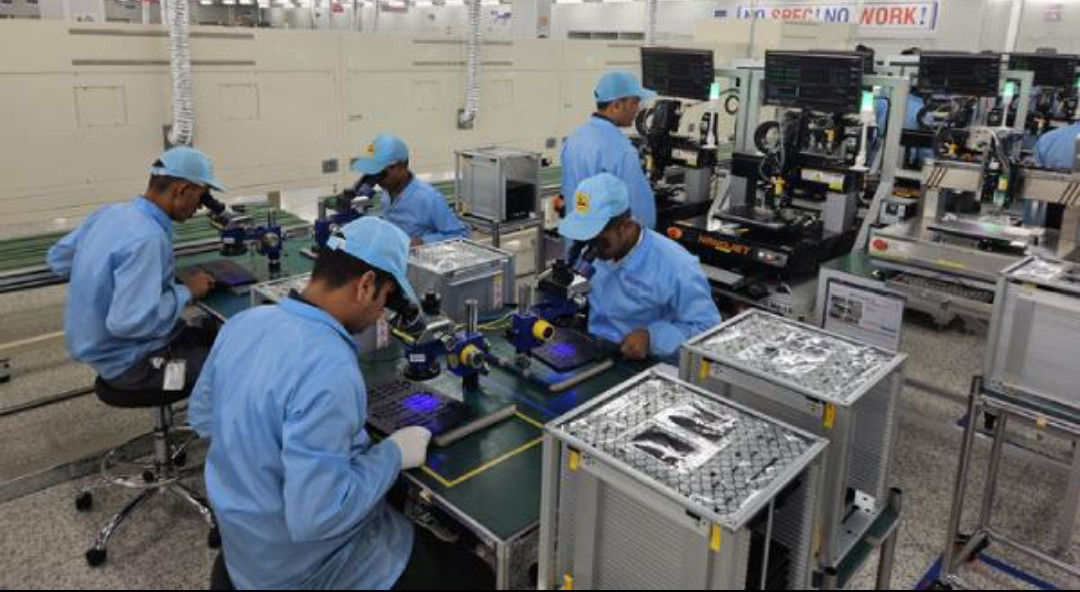


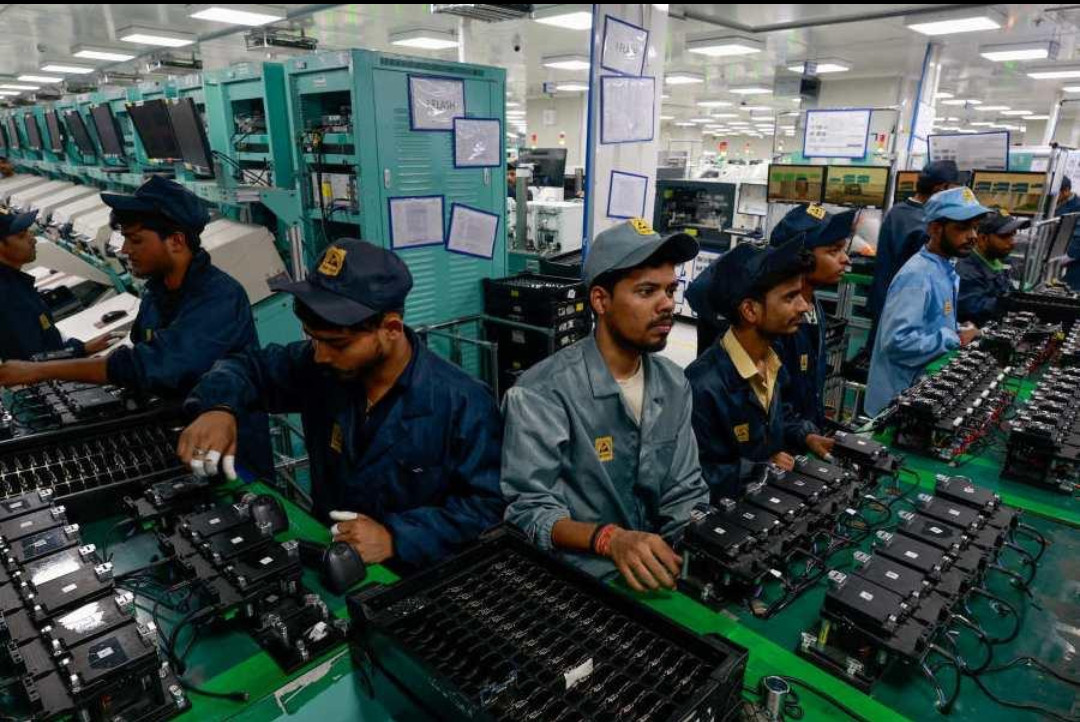
Message: India producing electronics, components, machinery and other goods domestically.
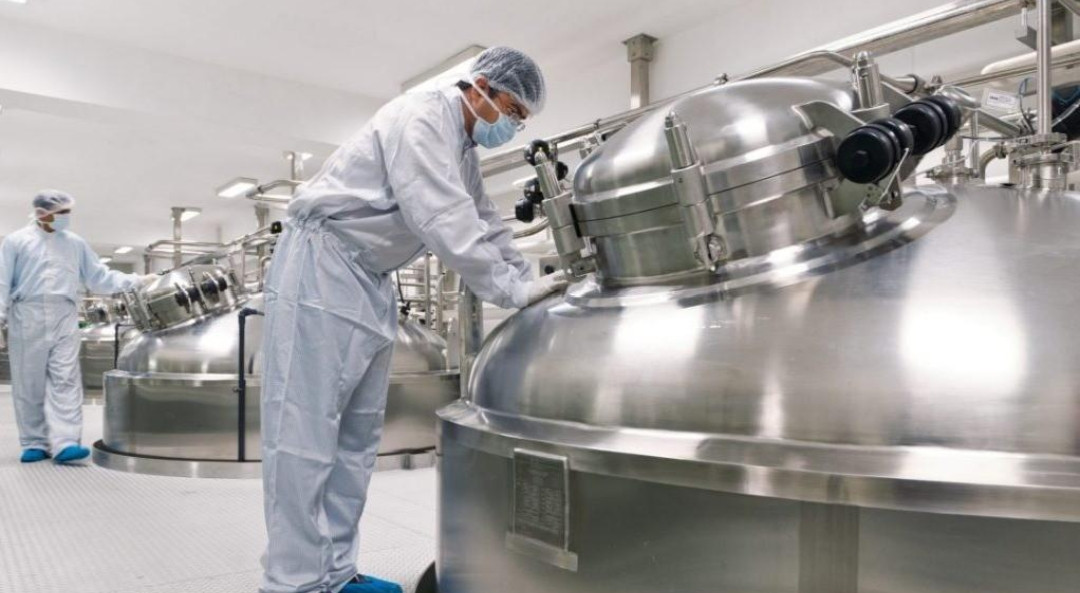


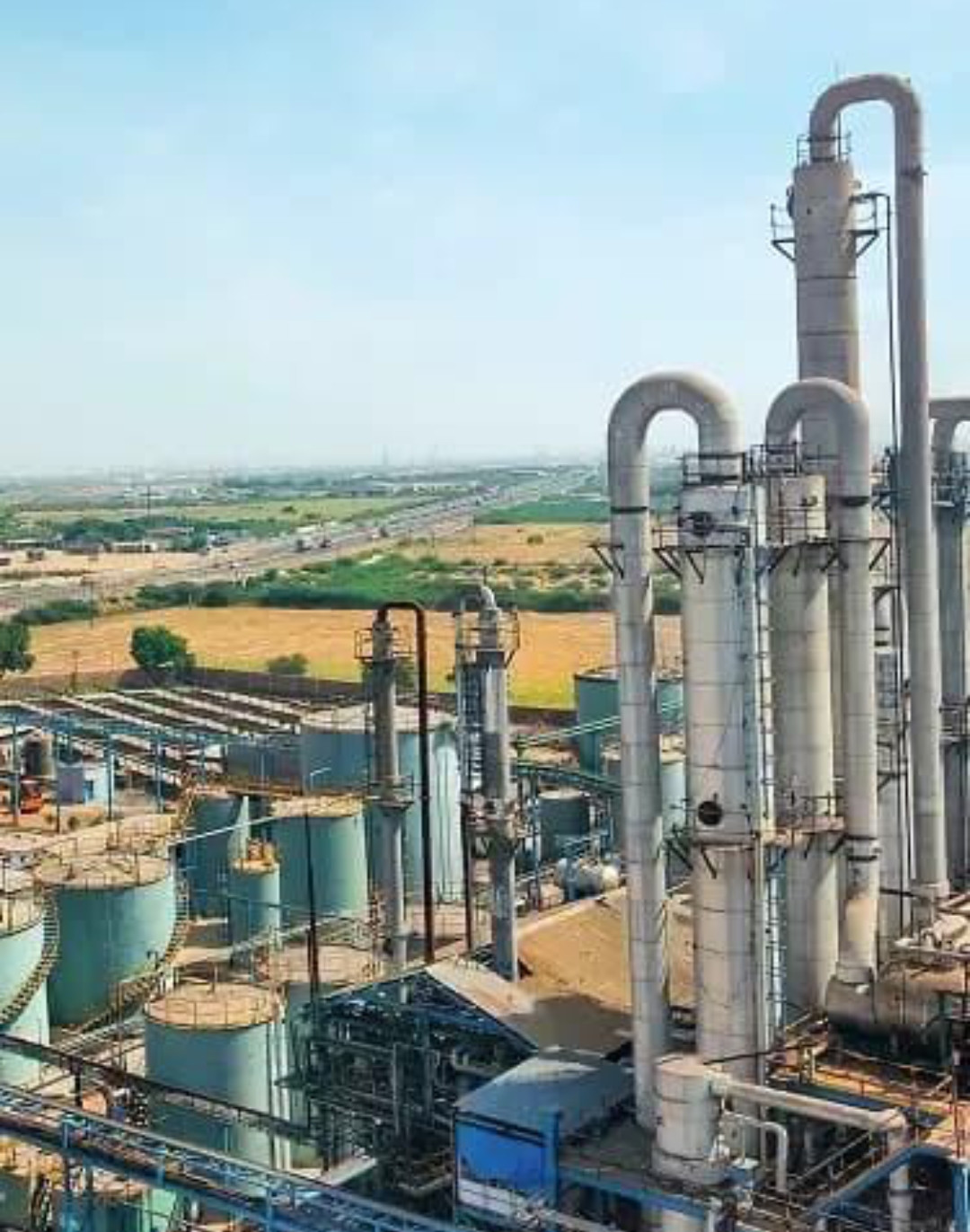

Message: Producing APIs, chemicals and pharmaceutical inputs in India.
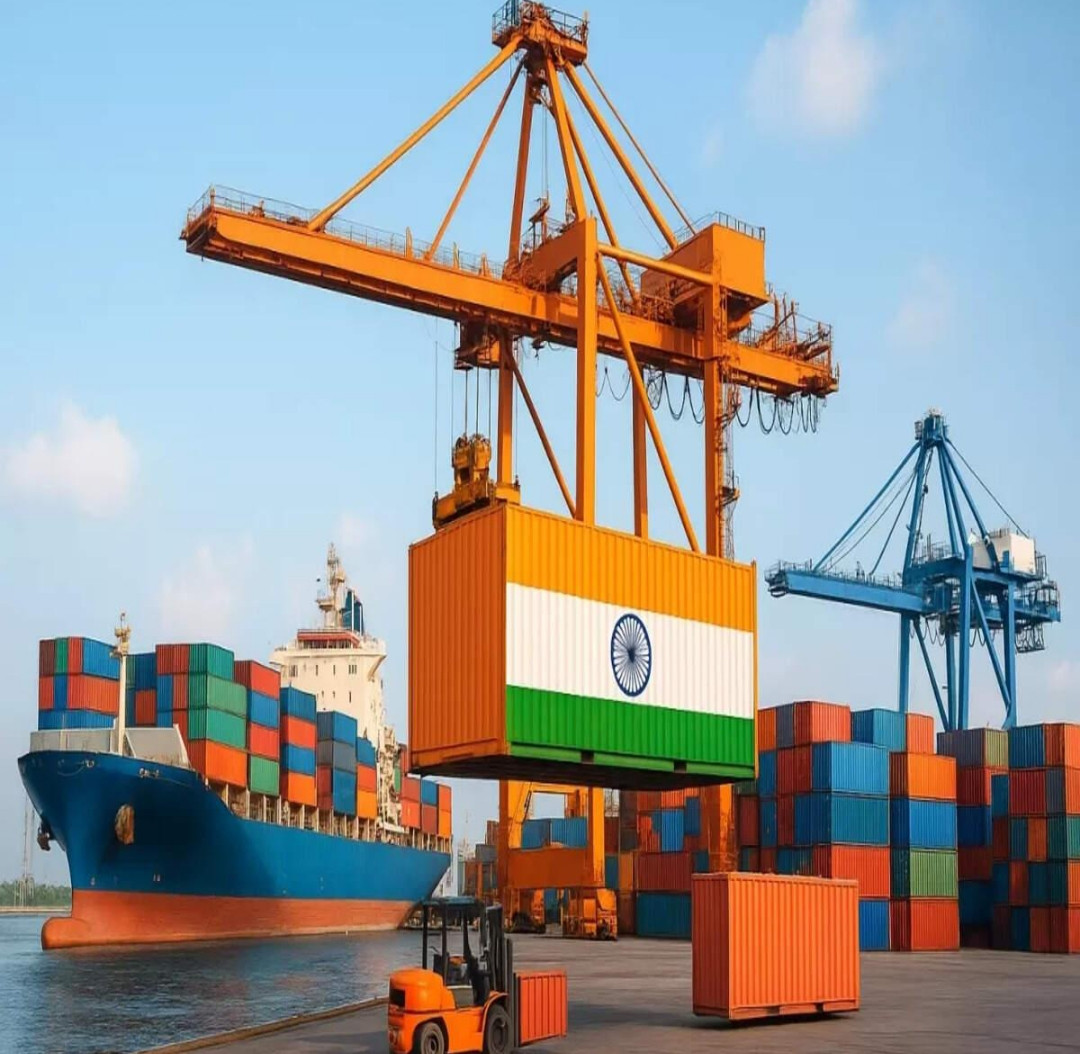
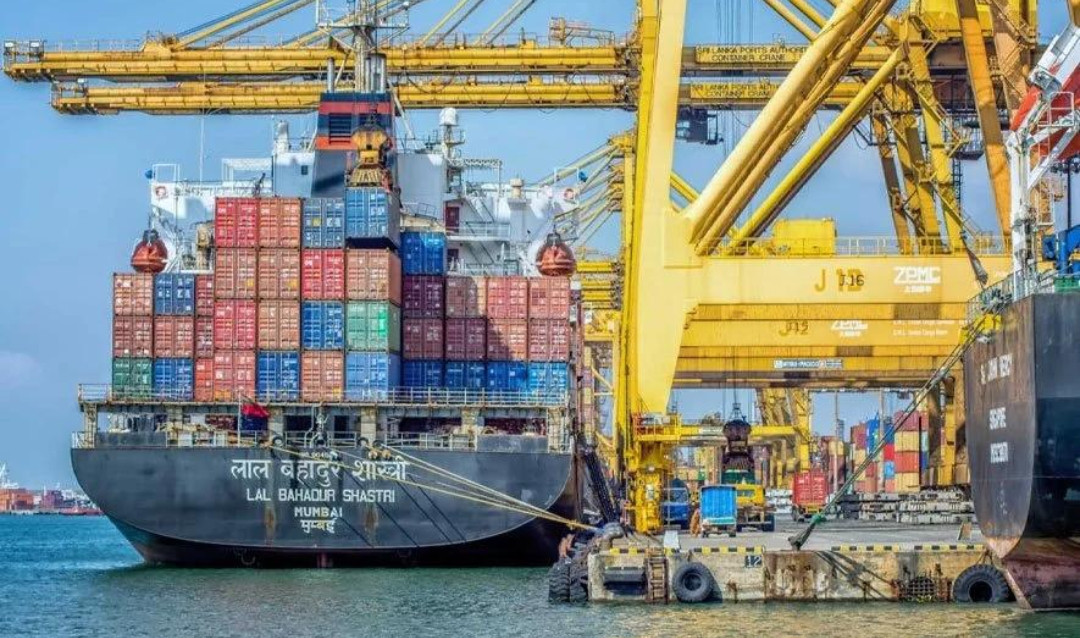
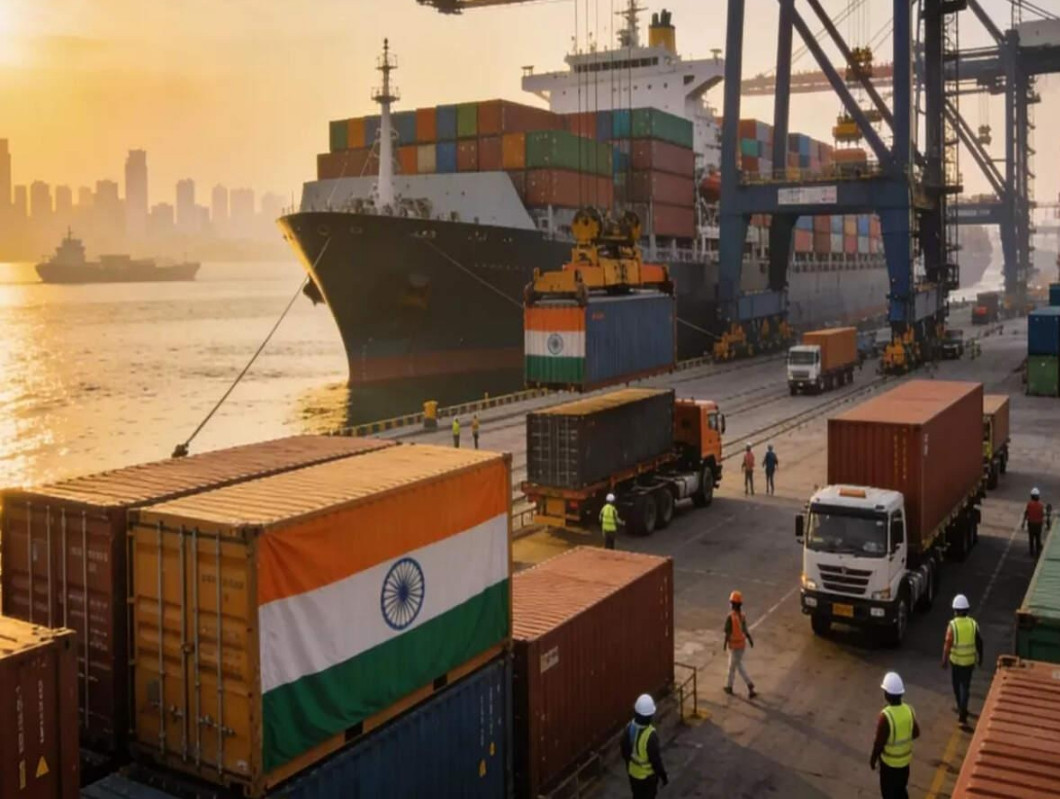
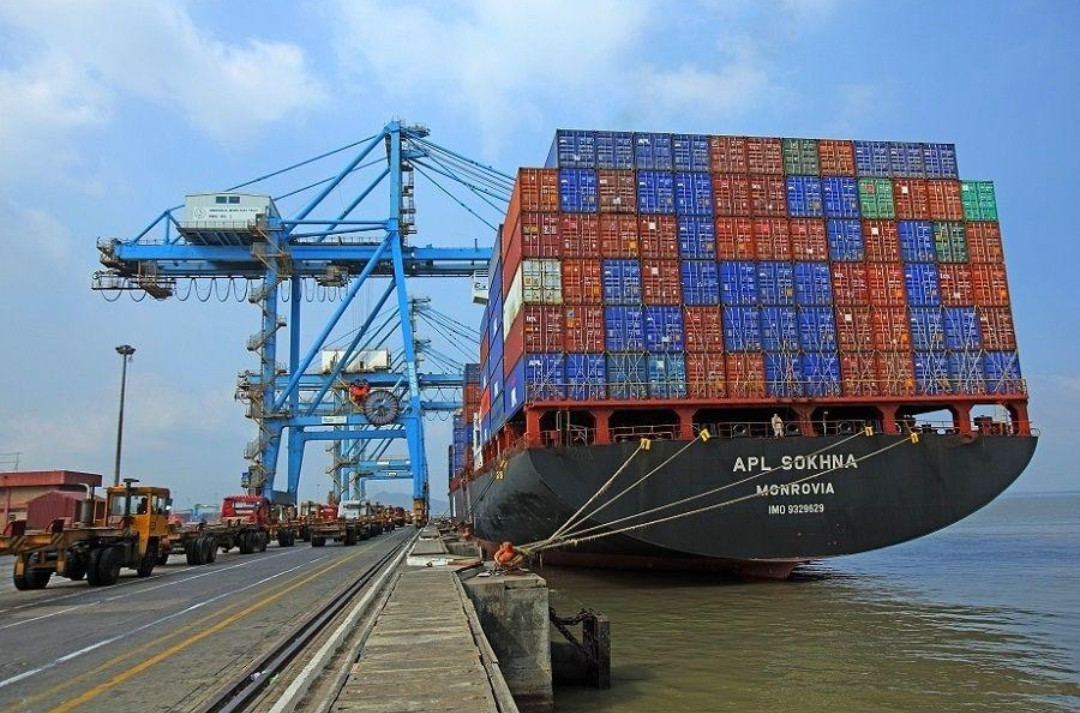
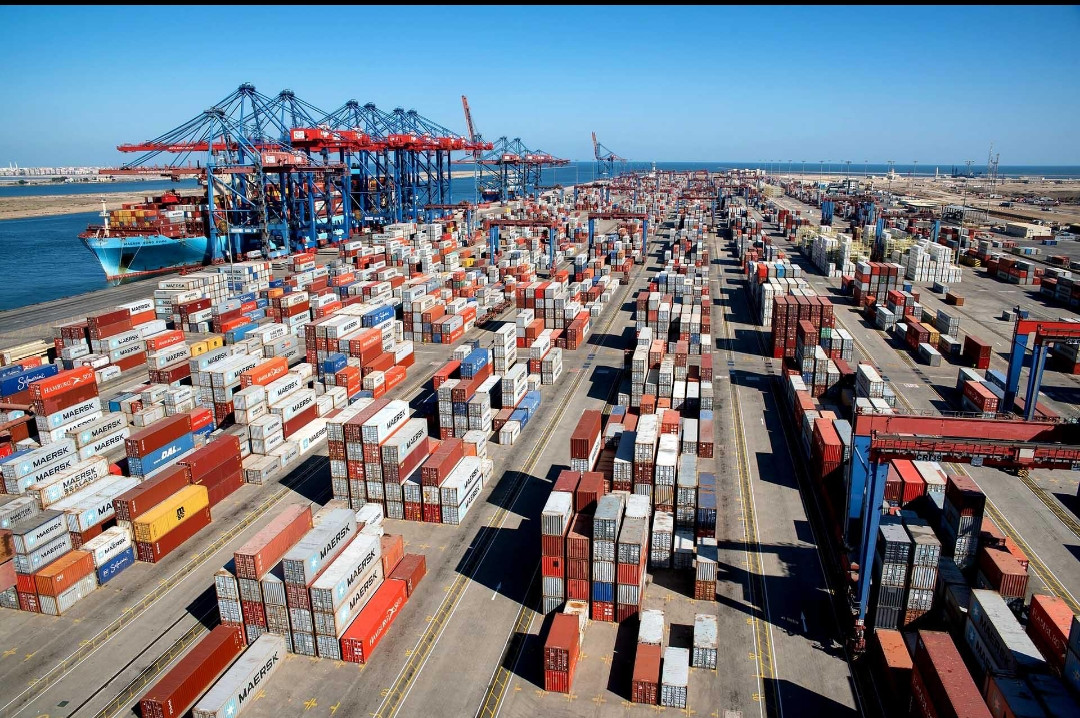
Message: More Indian products going to China and other International markets.
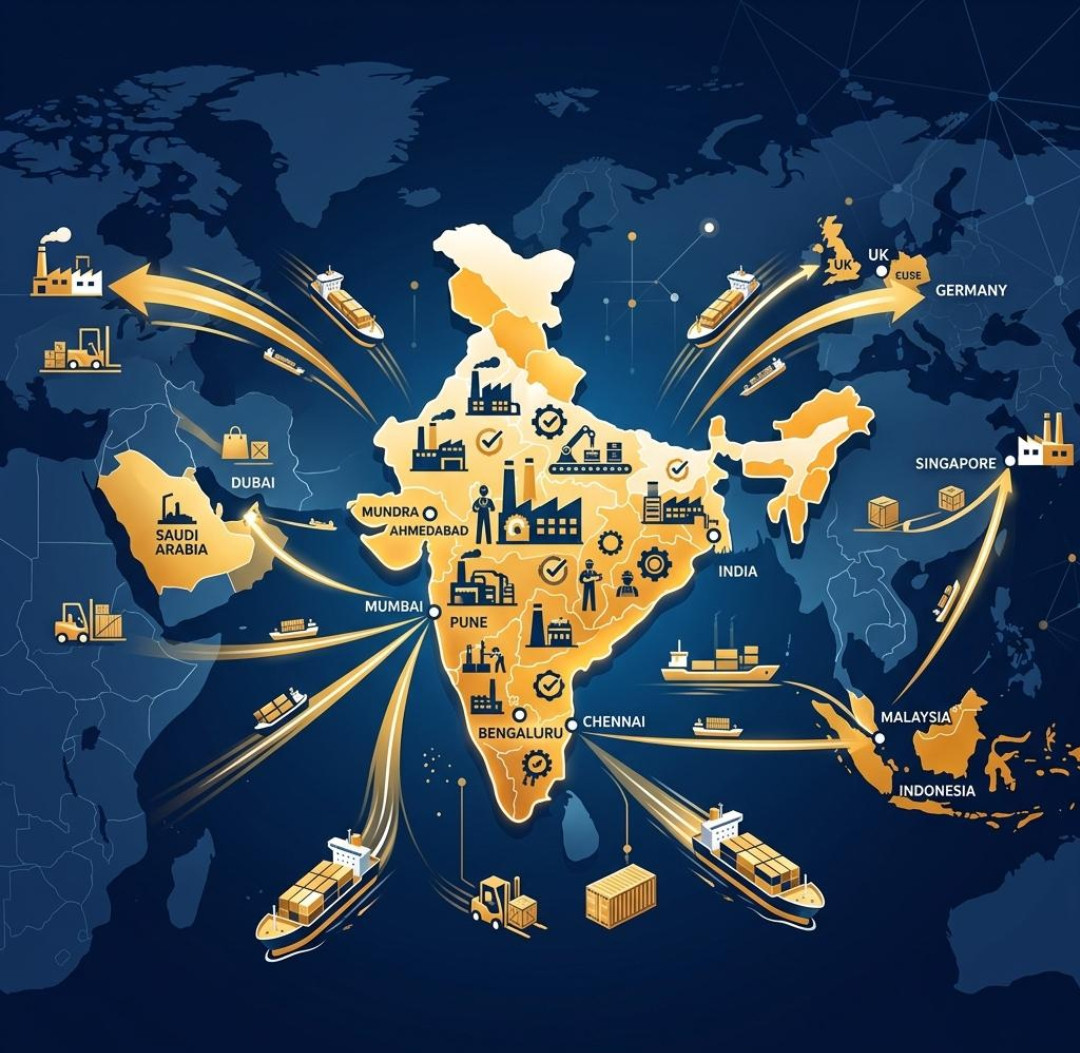
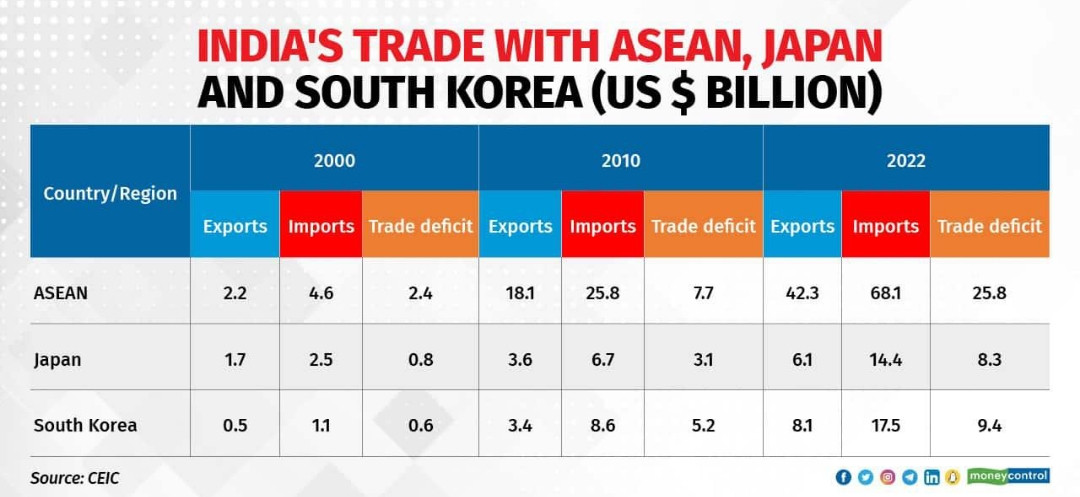


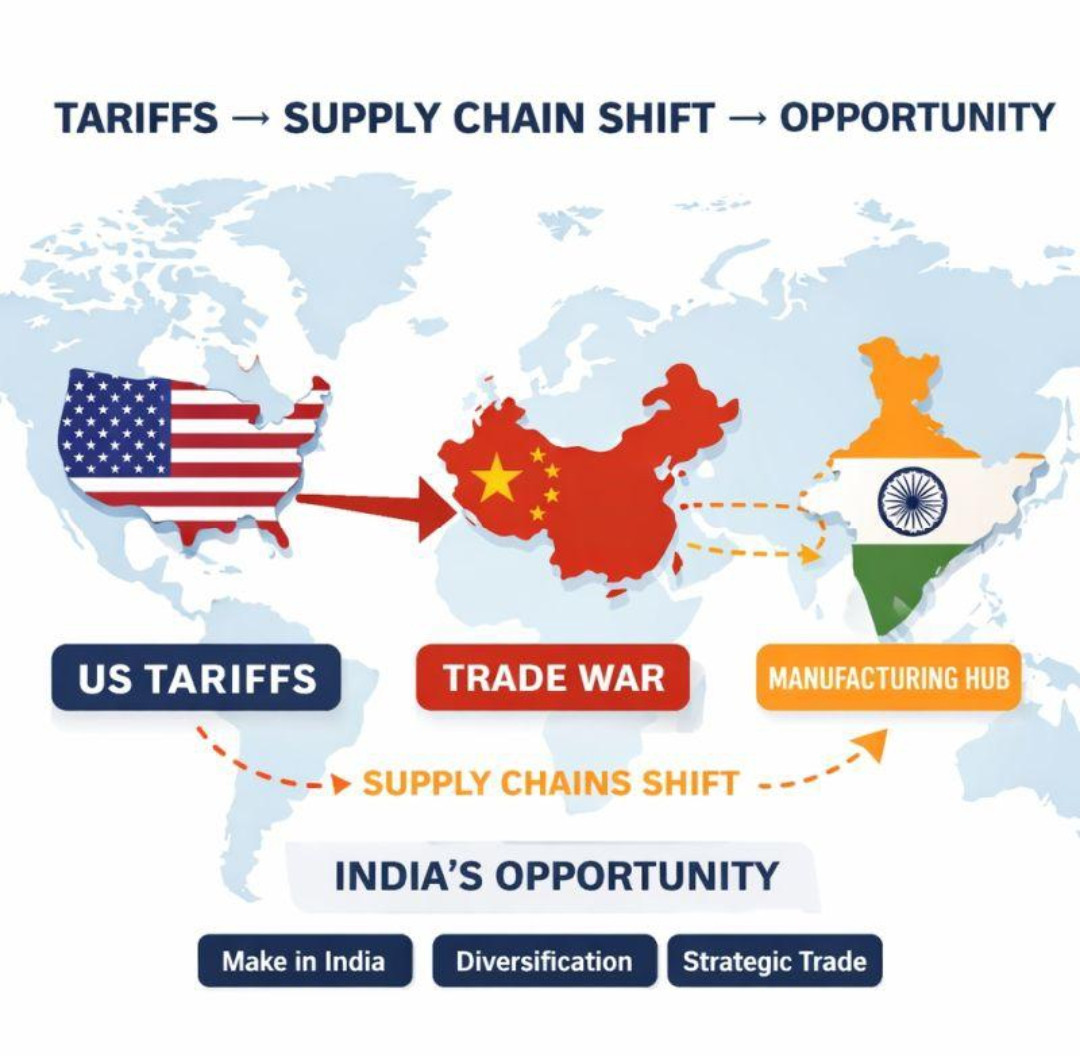
Message: India sourcing from multiple countries instead of relying excessively on one supplier.
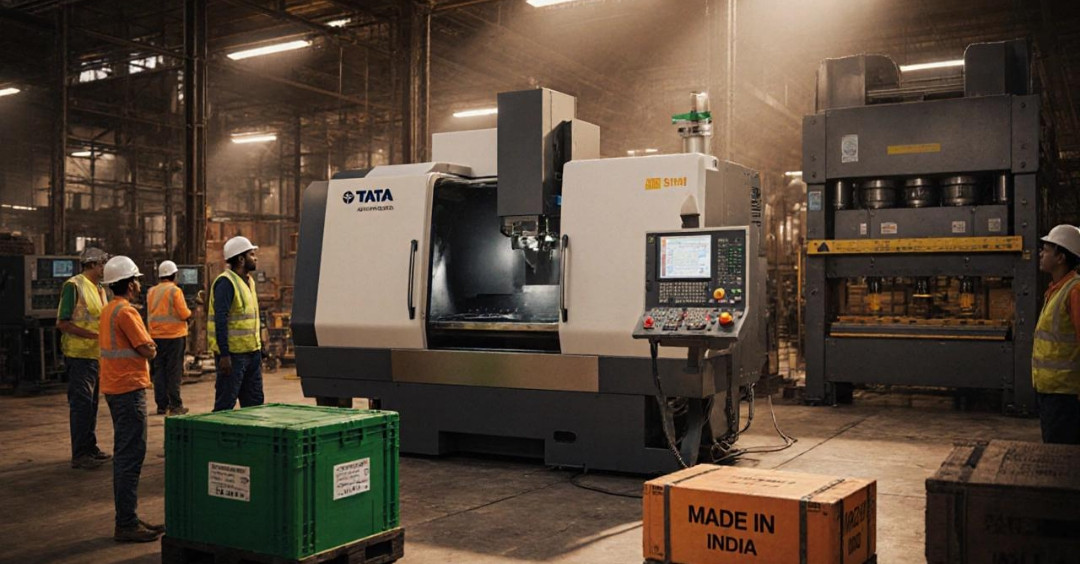
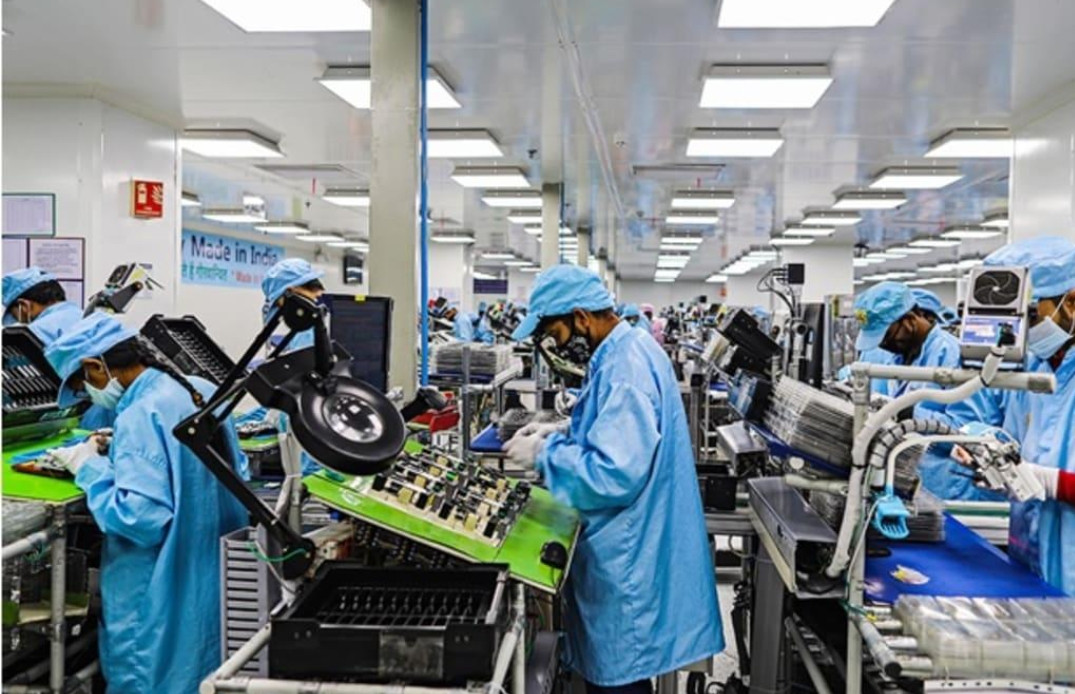
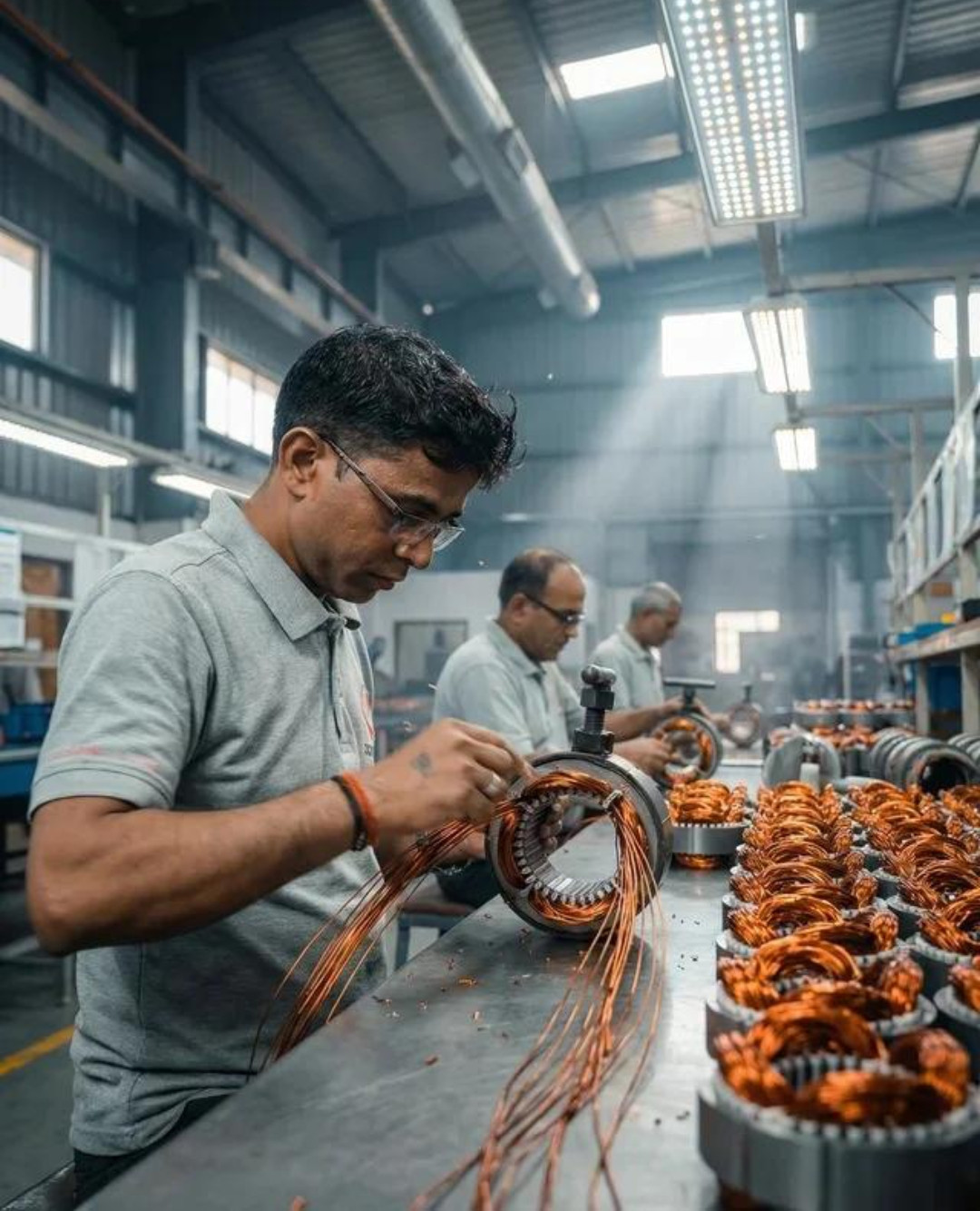


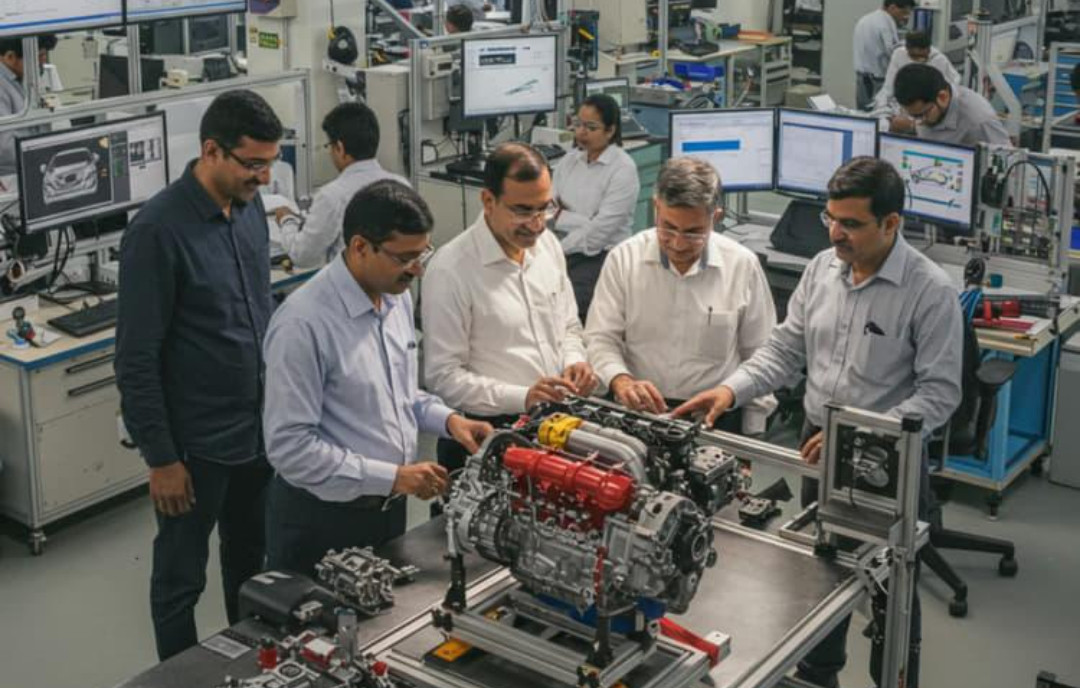
Message: Gradually replacing Chinese products that India can manufacture competitively.

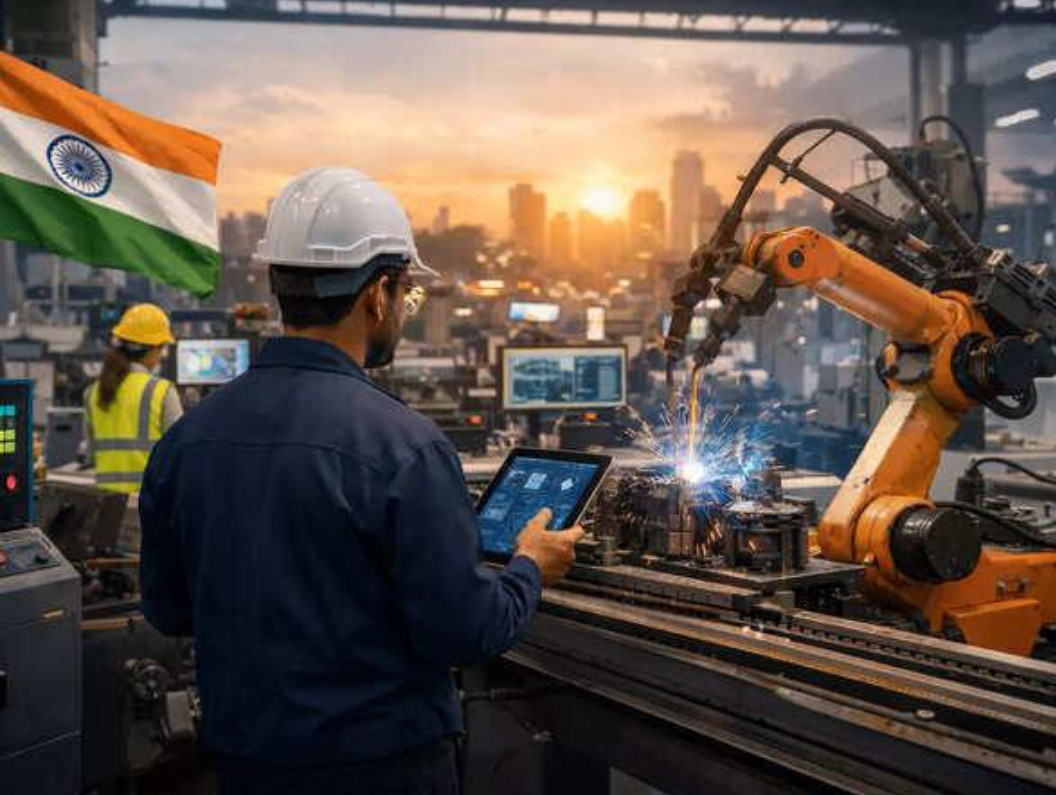
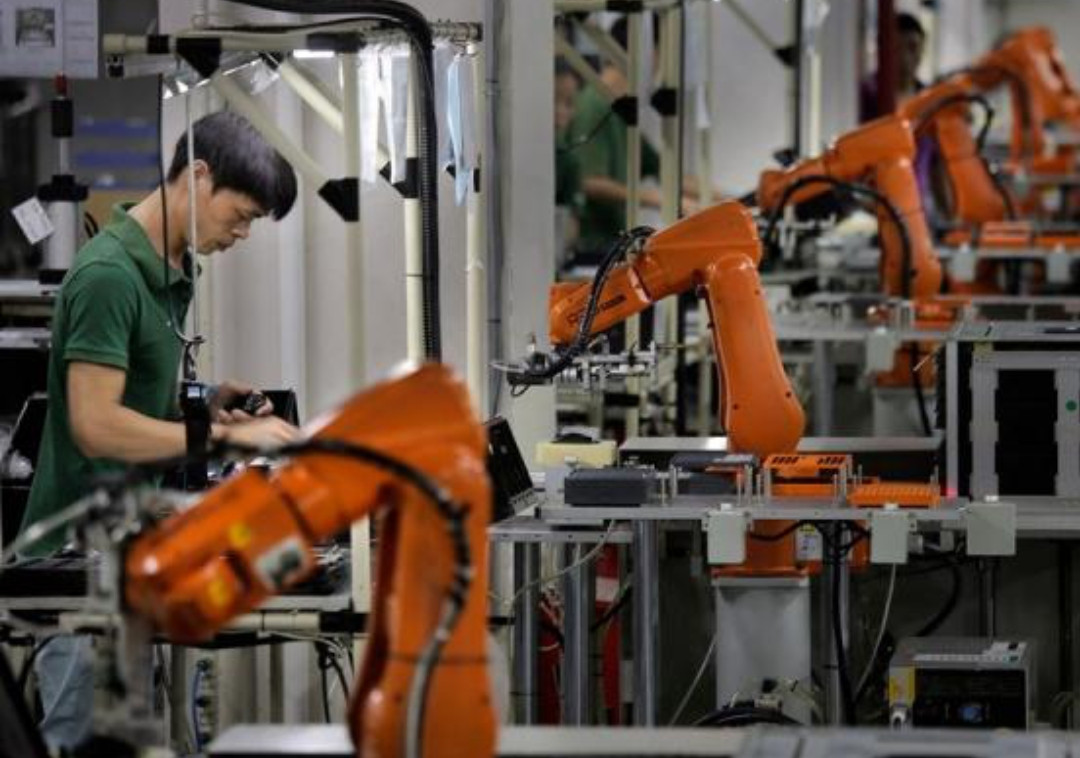
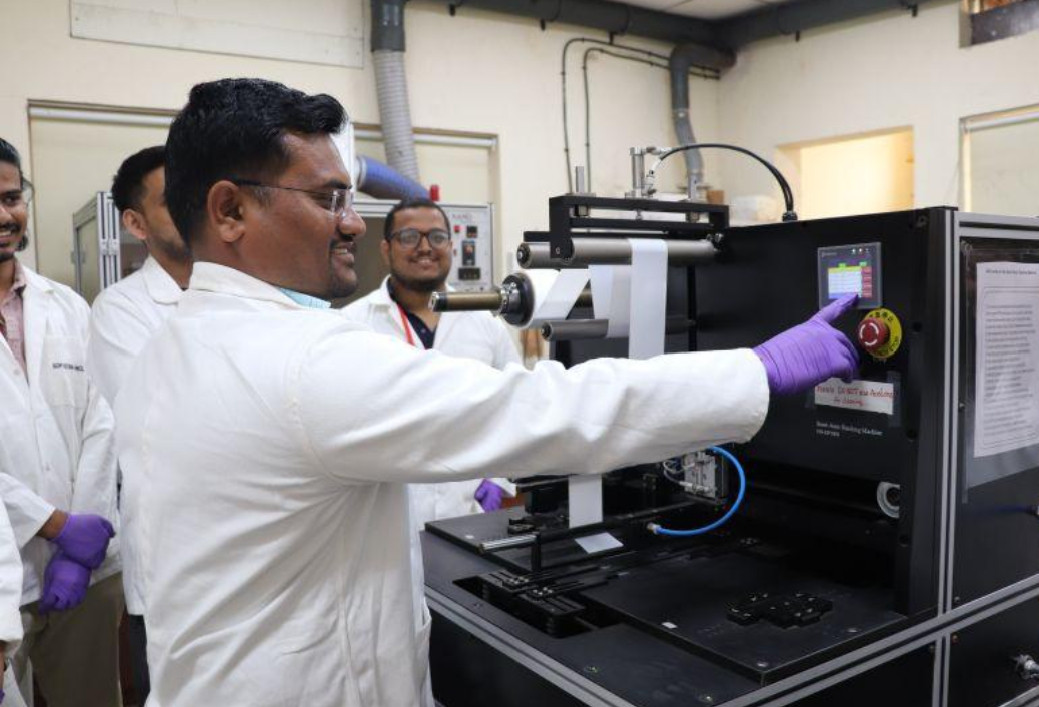
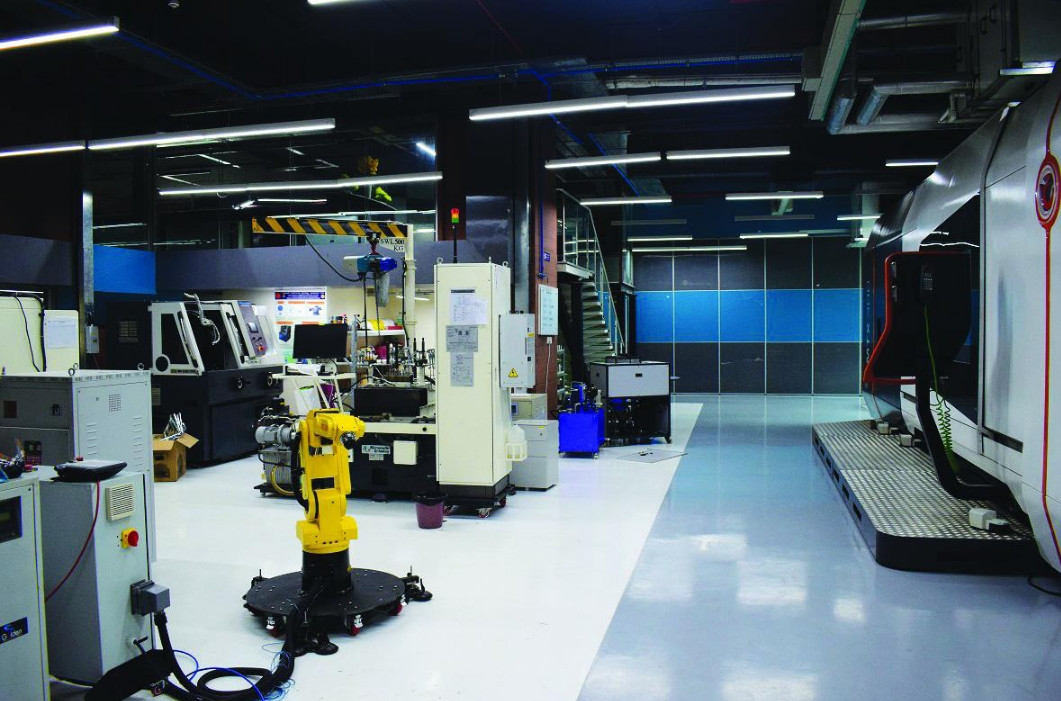
Message: R&D + technology + automation + skills + infrastructure → lower costs and better-quality Indian products.


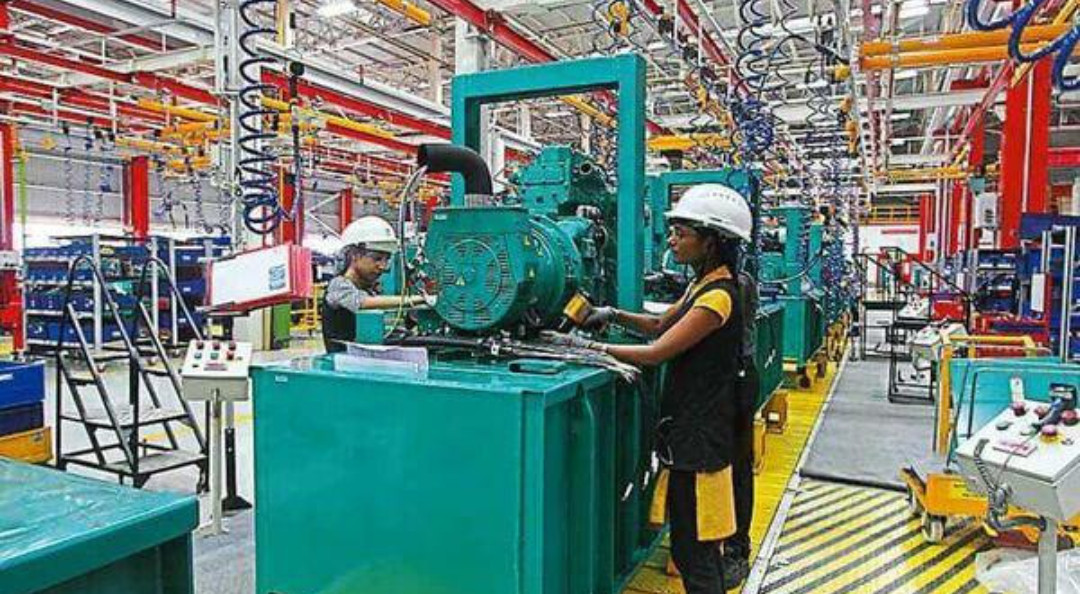

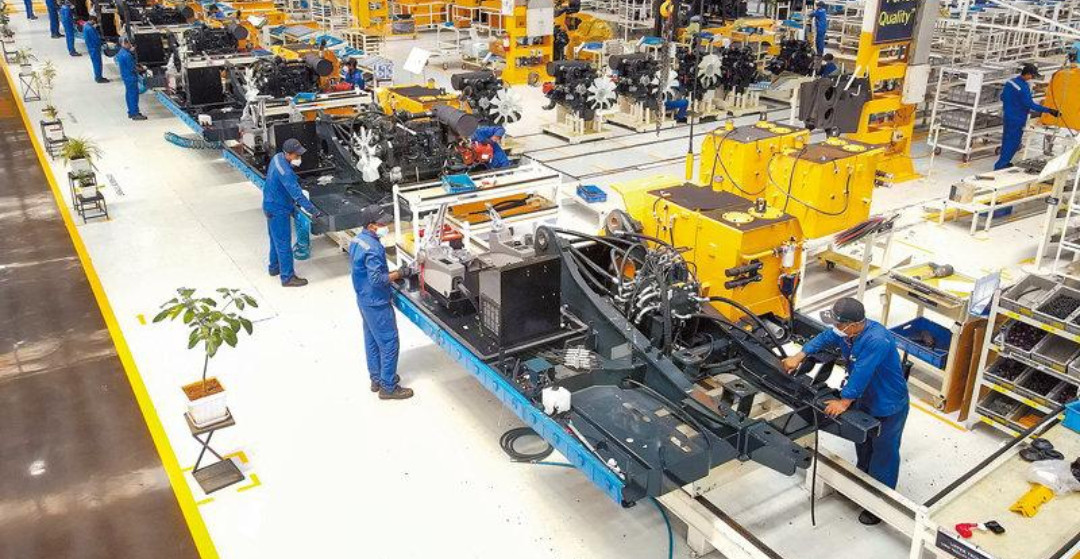
Message: Import machinery/components when they help Indian factories produce higher-value goods and exports, while developing domestic alternatives over time.